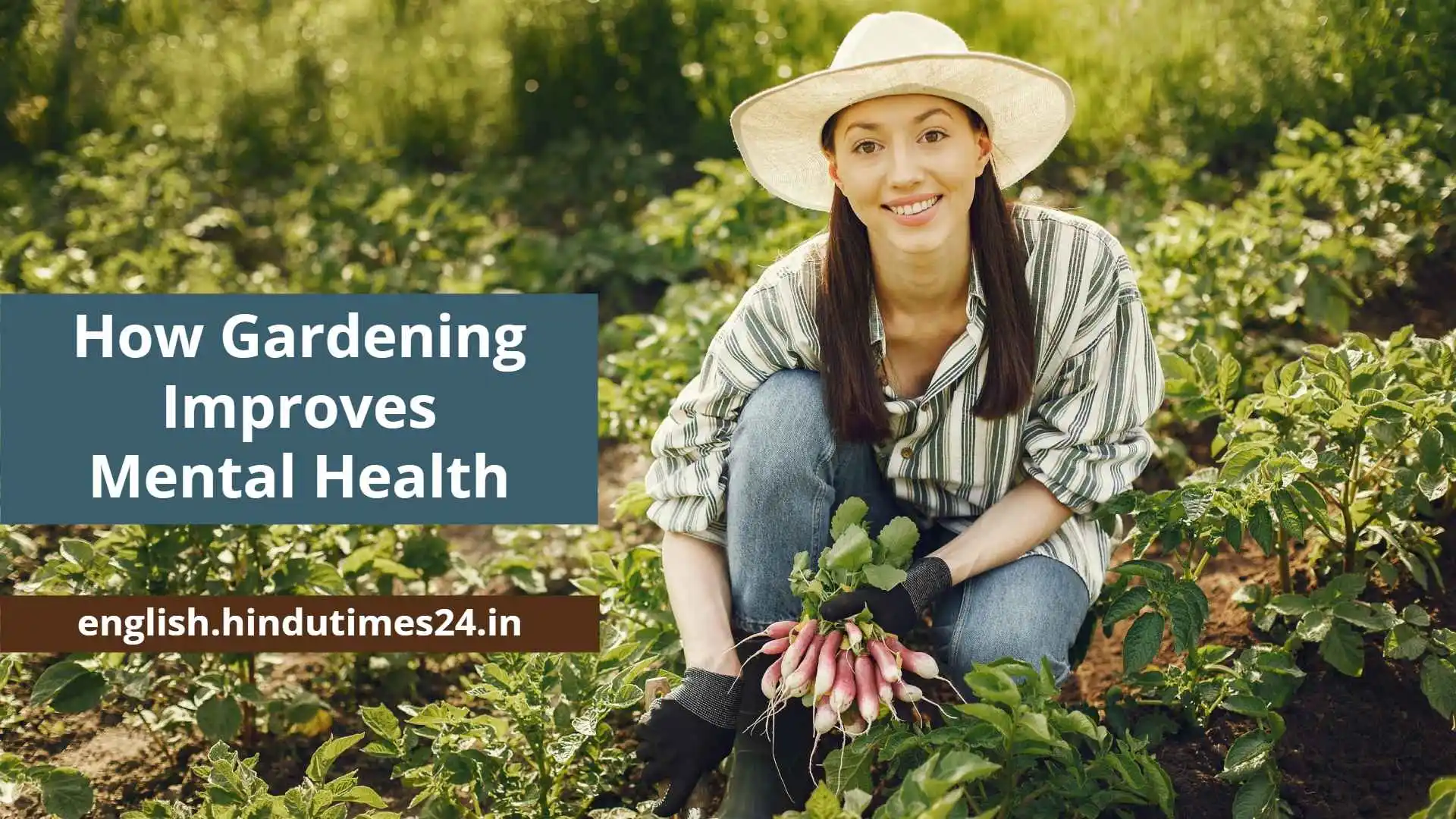
Gardening can mean many things. It might be growing a few plants on a windowsill, taking care of vegetables in your backyard, or joining a community garden where people work together. No matter the size, gardening is simply the act of caring for plants and watching them grow.
How Gardening Improves Mental Health
How Gardening Improves Mental Health: In recent years, more people have been looking for activities that help them relax and feel better emotionally. With the fast pace of everyday life, many are turning to simple, calming hobbies that support mental well-being. Gardening has become one of the most popular choices because it is easy to start and can be enjoyed by almost anyone.
This introduction explores how gardening does much more than create pretty plants. Gardening can improve mental health in many ways. It supports emotional balance, helps the mind focus, encourages healthy movement, and even connects people with others. Through these combined benefits, gardening becomes a gentle but powerful way to feel better inside and out.
Emotional Benefits
A. Stress Reduction
Spending time in nature is known to lower stress, and gardening brings nature right to you. When people are around plants, their bodies often produce less cortisol, which is the hormone linked to stress. This means your mind can relax more easily.
Gardening also has a calming rhythm. Simple tasks like watering plants, pulling small weeds, or placing seeds in the soil help your mind slow down. These repeatable, gentle actions make you feel grounded, steady, and peaceful. It gives your brain a break from busy thoughts and helps you breathe a little deeper.
B. Improved Mood
Gardening often brings a natural sense of joy. Seeing fresh green leaves, smelling the soil, or watching a flower open can lift your spirits. These small moments of beauty create positive feelings throughout the day.
Being around plants can also make you feel more alive and energized. Many people notice that caring for plants brightens their mood and helps push away feelings of sadness or heaviness. Even a few minutes with plants can create a little spark of happiness.
C. Sense of Purpose and Achievement
One of the best parts of gardening is seeing your plants grow. Knowing that your care helped a tiny seed turn into a real plant gives a strong feeling of accomplishment. It reminds you that your actions matter.
Gardening is also full of small tasks that are easy to complete. Watering a pot, trimming a leaf, or planting a seed might seem simple, but finishing these tasks can boost your confidence. Each little success adds up and helps you feel proud of what you’re doing.
Cognitive Benefits
A. Improved Focus and Attention
Gardening is a gentle way to give your mind a break from everyday mental clutter. When you step into a garden, your brain shifts away from constant thinking and stress. This is often called “attention restoration,” because your mind gets a chance to rest and recover from mental fatigue.
While gardening, you naturally use your senses you feel the soil, see the colors, smell the plants, and hear the sounds around you. When your senses are active like this, it becomes easier to stay in the moment. This kind of mindful focus helps clear your thoughts and brings a calm, steady attention that can carry through the rest of your day.
B. Enhanced Memory and Learning
Gardening also helps strengthen your memory. You need to remember when to water each plant, how much sunlight it needs, and what stage of growth it’s in. Keeping track of these small routines gives your brain a healthy workout and supports better cognitive function over time.
Gardening is full of little challenges, too. You may need to figure out why a plant isn’t growing well, decide where each plant should go, or plan how to arrange your garden space. These simple problem-solving moments stimulate your brain and encourage learning in a natural, stress-free way.
Physical Benefits with Mental Health Impact
A. Exercise and Movement
Gardening may feel calm and easy, but it still gets your body moving. Activities like digging, bending, reaching, and carrying small tools count as light to moderate exercise. When your body moves like this, it releases endorphins natural chemicals that help you feel happier and more relaxed.
Spending time outdoors while gardening also exposes you to sunlight, which helps your body make vitamin D. This vitamin plays an important role in keeping your energy steady and lifting your mood. Even a short time in the sun can help reduce feelings of tiredness or low mood.
B. Better Sleep
The movement you get from gardening, combined with reduced stress, can help you sleep better at night. When your body works during the day, it becomes easier to fall asleep and stay asleep. Good sleep is essential for a healthy mind because it improves your mood, focus, and overall emotional balance.
Gardening creates a calming routine that helps your body and mind wind down naturally, making restful sleep more likely. Though there are a lot of benefits on how gardening improves mental health, so now let’s see a few more benefits.
Social Benefits
A. Community Building
Gardening doesn’t always have to be a solo activity. Many people choose to join community gardens, where neighbors come together to grow plants in a shared space. These places naturally bring people closer and help reduce feelings of loneliness. Even small conversations while tending to plants can create a sense of connection.
Community gardens also offer chances to work together. People share tips, trade vegetables or herbs, and help each other with gardening tasks. This teamwork builds trust and friendship, and you get to learn new things from others who enjoy the same hobby.
B. Intergenerational Interaction
Gardening is an activity that people of all ages can enjoy. Children, adults, and older adults can come together to plant seeds, water crops, or admire the garden. This mix of ages helps create meaningful relationships and understanding between generations.
Younger people can learn wisdom and skills from older gardeners, while older adults may feel joy and energy from spending time with younger people. Gardening becomes a bridge that brings different age groups together in a natural and friendly way.
Therapeutic Applications
A. Horticultural Therapy
Gardening is not only a hobby it can also be used as a form of therapy. Many hospitals, rehabilitation centers, and wellness programs now include gardening activities to help people heal. This is called horticultural therapy.
Working with plants can support people who are dealing with trauma, depression, anxiety, or PTSD. The calm environment, gentle tasks, and connection to nature help create a safe space for emotional recovery. It gives people something peaceful to focus on, and it can bring comfort during difficult times.
B. Accessible for Diverse Needs
One of the best things about gardening therapy is that it can be adapted for almost anyone. People with disabilities or limited mobility can still enjoy and benefit from gardening. Raised garden beds, container gardens, indoor plants, or simple small tasks like watering or touching leaves make it easy to participate.
Gardening can meet people where they are. It allows each person to engage in a way that feels comfortable and doable, making it an inclusive activity for different physical and emotional needs.
Practical Ways to Use Gardening for Mental Wellness
A. Starting a Small Home Garden
You don’t need a big yard to enjoy the mental health benefits of gardening. A small home garden is easy to start and can fit almost anywhere. Simple plants like herbs, succulents, or basic vegetables are great choices for beginners because they are easy to care for and grow well in small spaces.
If you don’t have outdoor space, container gardening or window boxes work just as well. A few pots on a balcony, a sunny windowsill, or even a corner of a room can become your own little peaceful garden.
B. Incorporating Mindfulness
Gardening becomes even more calming when you add mindfulness to it. This can be as simple as paying attention to what you see, hear, and feel while caring for your plants. Notice the colors of the leaves, the smell of the soil, or the feeling of water in your hands.
Moving slowly and intentionally helps quiet the mind. These small mindful moments help bring you into the present, making gardening a soothing break from stress and busy thoughts.
C. Joining a Community Garden or Plant Group
If you want more connection, joining a community garden or a local plant group can be very rewarding. These groups give you a chance to learn from others, share tips, and grow your skills. They also offer social support, which can increase feelings of belonging and reduce loneliness.
Being around people who enjoy the same hobby can bring both comfort and joy, and it can make gardening even more meaningful.
Safeco’s Gardening Gloves (To Protect Your Hands Always)
How Gardening Improves Mental Health: Gardening often involves digging in soil, handling rough tools, or pruning thorny plants activities that can scratch or hurt your hands. Safeco’s rubber gloves are thick and durable, creating a strong barrier between your skin and the rough, dirty, or sharp surfaces in the garden. This means you can pull weeds, move plants, or clean pots without worrying about cuts or splinters.
These gloves don’t just protect your skin they also help you grip tools and wet surfaces more securely. The rubber coating gives you a non-slip grip, making it easier to hold shovels, watering cans, or pruning shears, even when your hands are sweaty or muddy. That stronger grip reduces the risk of accidents, like dropping sharp tools or losing control of a pot.
Another important way Safeco gloves protect your hands is by keeping them clean and dry. When you’re working in moist soil or handling water, the gloves act as a waterproof layer. This prevents dirt, moisture, or tiny insects from getting inside, which not only keeps your hands cleaner but helps avoid irritation or allergic reactions. With these gloves, you can garden more safely and comfortably.
Gardening offers many gentle but powerful benefits for mental health. It can lower stress, lift your mood, improve focus, and give you a sense of purpose. It also supports your body through light movement and better sleep, and it creates chances to connect with others in meaningful ways. Whether used as a hobby or as a form of therapy, gardening brings calm, comfort, and balance to both the mind and body.
You don’t need a big space or special skills to enjoy these benefits. Even a few small plants can make a positive difference in your daily life. If you’re looking for a simple, peaceful way to support your well-being, gardening is a wonderful place to start. Give it a try, and let the process of caring for plants help you feel more grounded, relaxed, and connected.
Also Read:
Gayatri Mantra Translation Word by Word Meaning in English
How to Start a Taxi Business in Dubai (Detailed Guide of 2025)
How to Start a Transport Business in Dubai, UAE (Detailed Guide)
We sincerely hope you enjoyed reading this article on how gardening improves mental health. Gardening is a simple yet powerful way to boost your mood, reduce stress, and feel more connected to yourself and others. If you have any questions, thoughts, or experiences you’d like to share, please feel free to leave a comment below we would love to hear from you!